ON THIS DAY – 24 January 1972

ON THIS DAY – 24 January 1972 – An extraordinary discovery made headlines around the world. Shoichi Yokoi, a sergeant in the Imperial Japanese Army, was found alive on the island of Guam after spending 28 years hiding in the jungle – completely unaware that World War II had ended in 1945. Yokoi was a 26-year-old … Read more

ON THIS DAY – 10 January 1897

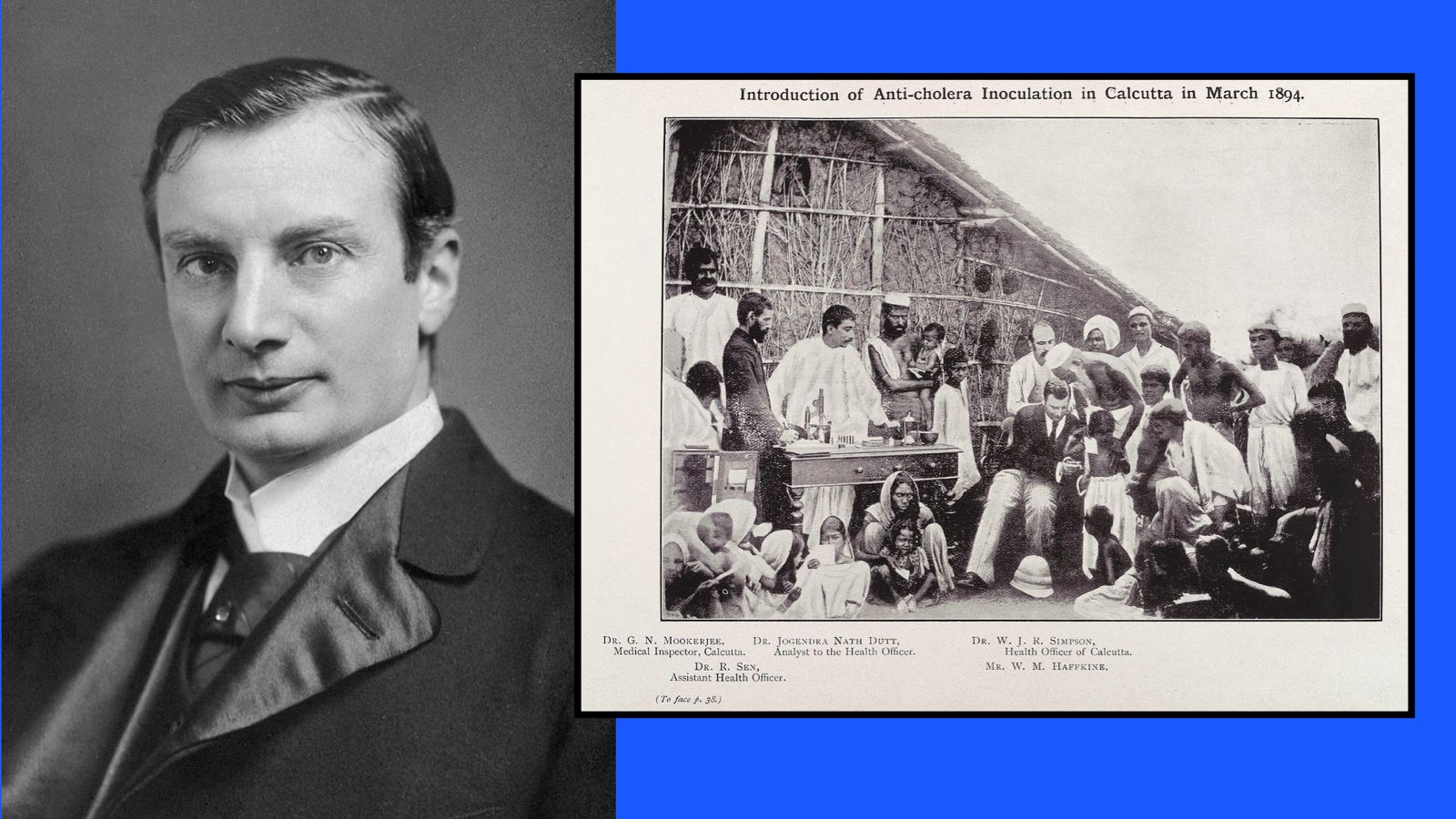
ON THIS DAY – 10 January 1897 – Ukrainian bacteriologist Waldemar Mordecai Haffkine performed the first human trial of a plague vaccine – on himself – during the devastating Bombay (Mumbai) epidemic of 1896-97. Born in 1860 to a Jewish family in Odessa, then part of the Russian Empire, Haffkine studied physics, mathematics, and zoology … Read more

ON THIS DAY: 2 January 1877

ON THIS DAY: 2 January 1877, Charles M. Tinker received U.S. Patent No. 187,881 for a delightfully inventive device: a dog-powered treadmill designed to churn butter. Tinker’s creation worked by having one or more dogs walk on a slanted tread-wheel or treadmill-style platform. As the dogs walked – or trotted – to keep their balance, … Read more

ON THIS DAY: 31 December 1966

ON THIS DAY: 31 December 1966 – The last whaling season at South Georgia island came to an end – marking the close of industrial whaling in the Southern Hemisphere. For over sixty years, the remote island of South Georgia, a British Overseas Territory in the South Atlantic, was one of the world’s busiest whaling … Read more

ON THIS DAY: 15 December 1859

ON THIS DAY: 15 December 1859 – In Białystok, a Polish town then part of the Russian Empire, Ludwik Lejzer Zamenhof was born. He would become the inventor of the international language Esperanto. Zamenhof was a Polish-Jewish ophthalmologist, linguist, and idealist who grew up speaking several languages – Yiddish, Russian, Polish, and German. Białystok was … Read more

ON THIS DAY: 6 December 1917

ON THIS DAY: 6 December 1917 – tragedy struck the city of Halifax, Nova Scotia. Two ships collided in the narrow stretch of water known as The Narrows, triggering one of the largest non-nuclear explosions in history. The blast killed 1,800 people, injured more than 9,000 – many blinded by shattered glass – and left … Read more

ON THIS DAY: 24 November 1715

ON THIS DAY: 24 November 1715 – A deep freeze began that would grip London for months. The day marked the beginning of a three-month frost fair on the River Thames – one of the most remarkable spectacles of England’s so-called Little Ice Age, a period of bitter winters and unpredictable weather that stretched from … Read more

ON THIS DAY: 10 November 1871

ON THIS DAY: 10 November 1871 – Dr. David Livingstone, who had been searching for the source of the Nile, was found by Henry Morton Stanley, a young Welsh-American journalist and adventurer. Dr. David Livingstone (1813-1873) was a Scottish missionary, physician and explorer. He had gone deep into central Africa to continue his missionary work … Read more

ON THIS DAY: 3 November, 1885

ON THIS DAY: 3 November, 1885 – U.S. Patent No. 329,495 was granted for the Safety Burial Casket, invented by Charles Sieber and Frederick H. Borntraeger of Waterloo, Monroe County, Illinois. In the nineteenth century, a widespread fear gripped the public imagination – that of being buried alive. This anxiety, known as tapephobia, was fueled … Read more

ON THIS DAY: 30 October 1918

ON THIS DAY: 30 October 1918 – William Walker, the diver who saved Winchester Cathedral in Hampshire, England, died of the Spanish flu. Born in South London, Walker trained as a diver with Siebe Gorman, pioneers of modern diving equipment. Skilled and fearless, he was accustomed to working in some of the most difficult underwater … Read more