
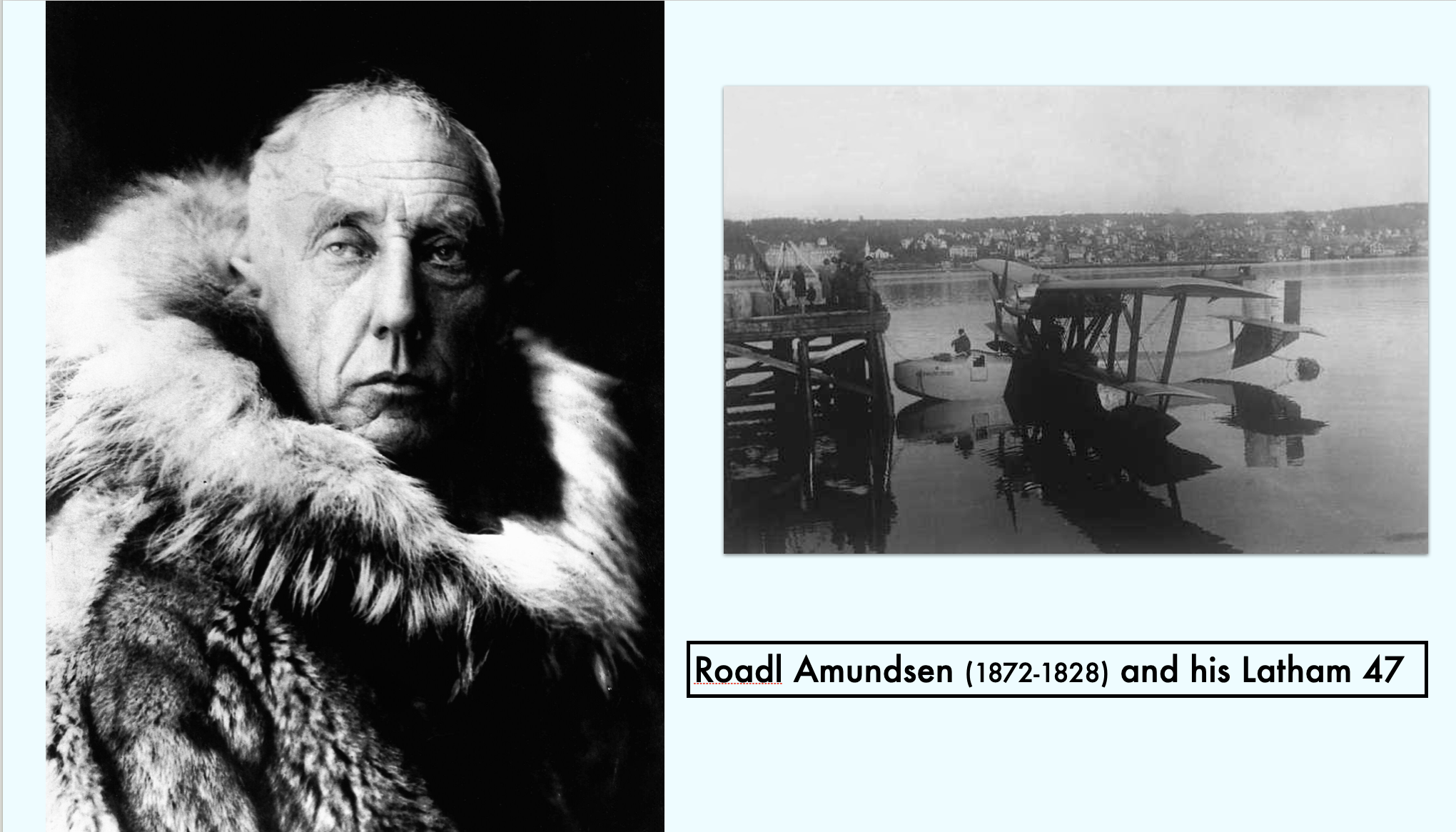
ON THIS DAY: 28 June 1928 – Norwegian explorer Roald Amundsen flew into the Arctic on a rescue mission from which he would never return.
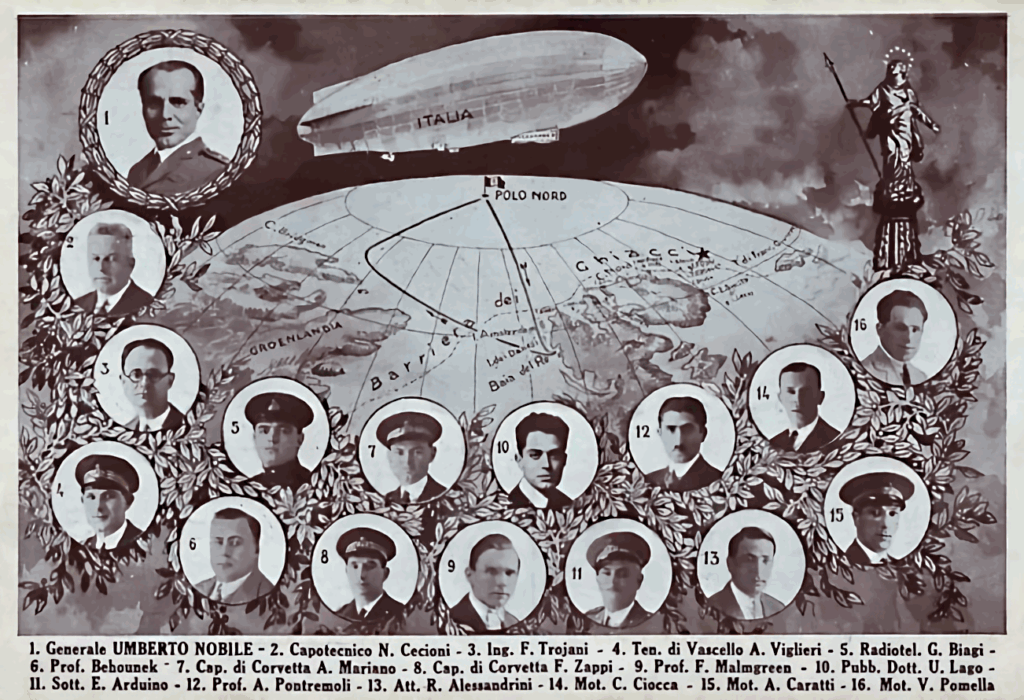
Amundsen, already famous as the first man to reach the South Pole in 1911, undertook what would become his final and fatal expedition when he joined an international effort to rescue survivors of the Italian airship Italia, commanded by explorer Umberto Nobile. The Italia had crashed onto Arctic ice while returning from the North Pole on 25 May 1928. These semi-rigid airships (dirigible) were used in polar exploration.
Amundsen and Nobile had previously worked together on the successful 1926 airship Norge expedition, which achieved the first verified flight across the North Pole. However, the two men later quarrelled bitterly over who deserved the greater share of the credit. Despite this tension, Amundsen immediately volunteered to help when news arrived that Nobile’s expedition was missing.
On 18 June 1928, Amundsen departed from Tromsø aboard a French Latham 47 flying boat with a crew of five others. Their destination was Spitsbergen, from where they planned to continue the search for the stranded Italia survivors.
The aircraft vanished somewhere over the Barents Sea in heavy fog. Weeks later, a damaged float and fuel tank from the plane were recovered, strongly suggesting the aircraft had crashed into the sea. Neither Amundsen nor any member of his crew was ever found.
Many of the Italia survivors were eventually rescued, though the ordeal became one of the most dramatic Arctic disasters of the twentieth century. Ten men survived for weeks on the ice in a salvaged tent after the crash, while Nobile himself survived the disaster.
Today, Amundsen is remembered as one of the greatest figures of the Heroic Age of Polar Exploration, alongside Robert Falcon Scott and Ernest Shackleton.