
ON THIS DAY: 7 September 1901 – China signs the Boxer Protocol formally ending the Boxer Rebellion.
The agreement imposed devastating terms on the Qing Empire, leaving China humiliated, heavily indebted, and under greater foreign influence than ever before.
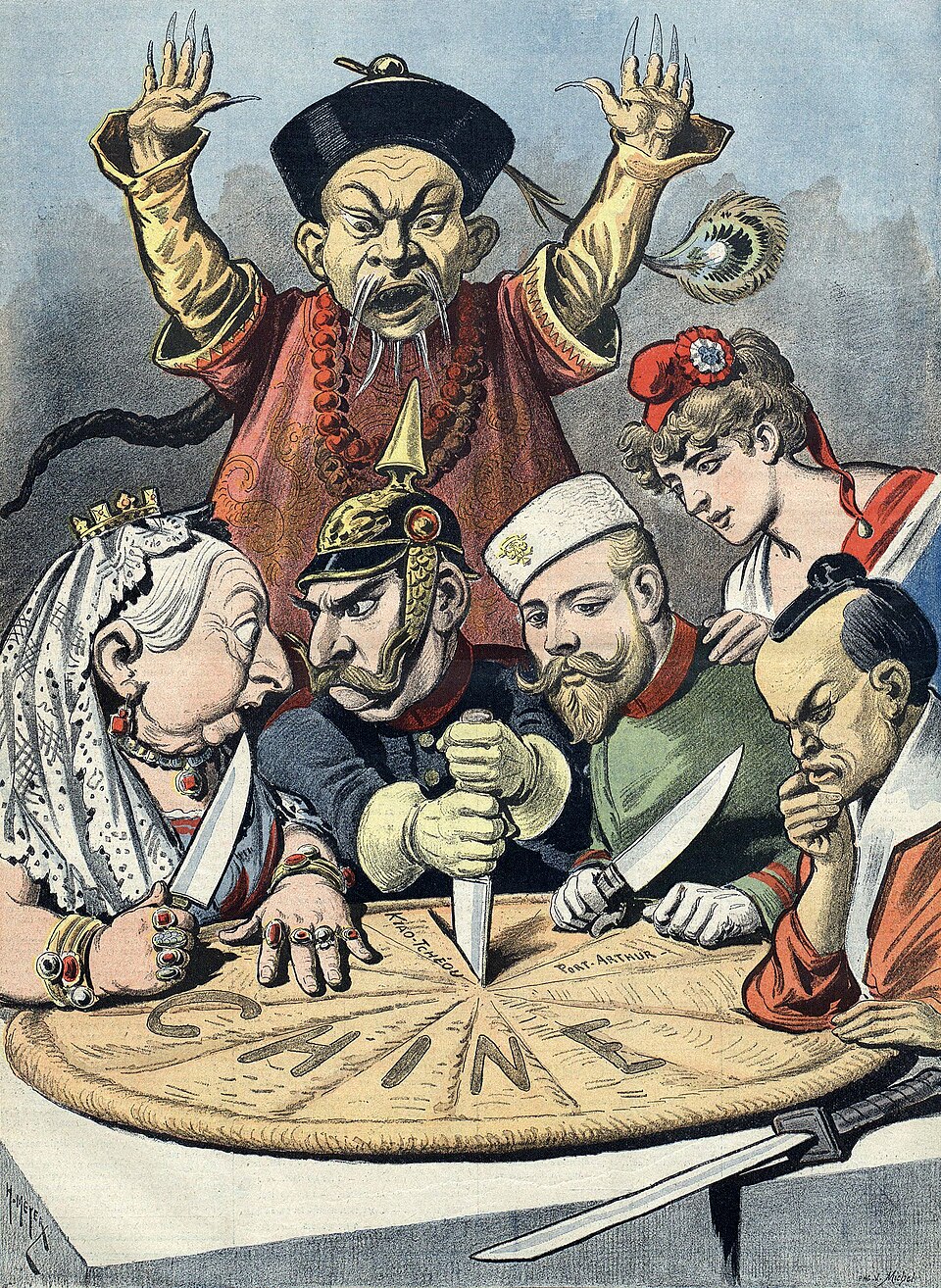
By the end of the nineteenth century, China had suffered a series of military defeats and been forced to accept unequal treaties that granted foreign powers extensive privileges. Britain, France, Germany, Russia, Japan and other nations controlled treaty ports, built railways, operated mines, and enjoyed legal rights denied to Chinese citizens.
Many Chinese believed their country was being carved up by foreign powers. The Qing government appeared increasingly weak and incapable of defending the nation. At the same time, Christian missionaries were converting thousands of Chinese, often under the protection of foreign governments, while devastating droughts, floods, famine and unemployment fuelled widespread unrest across northern China.
Out of this turmoil emerged a secret society known as the Society of Righteous and Harmonious Fists. Foreigners dubbed them the ‘Boxers’ because of their practice of martial arts and ritual exercises.
In 1899, the Boxers began attacking Christian missionaries, Chinese converts to Christianity, railway lines, telegraph wires and foreign-owned businesses. Violence quickly spread throughout northern China.
Although the Qing government initially tried to suppress the movement, influential members of the imperial court – including the formidable Empress Dowager Cixi – came to view the Boxers as valuable allies against foreign influence.
In June 1900, the Boxers entered Beijing. Thousands of Chinese Christians were killed, while foreign diplomats, soldiers and civilians sought refuge in the city’s Legation Quarter. For 55 days, around 900 defenders – including British, American, German, French, Russian and Japanese troops – held out against repeated assaults by the Boxers and Qing Imperial forces.
To break the siege, an international force known as the Eight-Nation Alliance comprising Britain, France, Germany, Russia, Japan, the United States, Italy and Austria-Hungary – launched a military expedition. After capturing Tianjin, the allied armies entered Beijing on 14 August 1900, ending the siege. The imperial court fled west to Xi’an, leaving the capital in foreign hands.
The aftermath was brutal. Foreign troops looted parts of Beijing, executed suspected Boxers and imposed severe reprisals on communities accused of supporting the uprising. Tens of thousands of Chinese civilians are thought to have died during the conflict.
The Boxer Protocol imposed exceptionally harsh conditions on China. The Qing government was forced to pay an enormous indemnity of 450 million taels of silver, plus interest over 39 years – equivalent to almost one billion taels in total. Foreign powers were granted the right to station troops permanently between Beijing and the sea, the Taku Forts were demolished, officials who had supported the Boxers were executed, exiled or punished, arms imports were restricted, and China was compelled to issue formal apologies to Germany and Japan for the killing of their diplomats.
The indemnity alone crippled China’s finances for decades, while the agreement further eroded the country’s sovereignty.
The Boxer Protocol became one of the most enduring symbols of China’s ‘Century of Humiliation’. Just ten years later, in 1911, the Qing dynasty collapsed, bringing more than 2,000 years of imperial rule to an end and paving the way for the establishment of the Republic of China.